


Councils’ new powersto force short-term leaseauctions of empty high street properties could boost local builders’ business, claim finance lenders.
- One in seven high street shops are vacant
- Properties empty for more than a year to go under the hammer
- Short-term leases of one to five years on offer
Councils gain power to force landlords to lease empty high street premises
Landlords sitting on empty properties for more than a year will be forced to rent them out on short leases from next month.
Councils will be able toorder auctions of leases from one to five years on vacant premises if the landlord fails to respond to pressure to let the property out.
Business secretary Jonathan Reynolds said:“We promised to lift the shutters on our great British high streets and we’re delivering real action across the board, to boost jobs, opportunities and get the economy growing.”
The Government has pledged more than £1m to support the auctions and is hoping this will “re-energise town centres” and “drive local opportunities and growth”.
The news comes during ‘Love Your High Street Week’, organised by the British Independent Retailers Association to champion local businesses and innovation.
Currently, one in seven high street shops are closed according to figures from retail and leisure market research firm The Local Data Company.
Local growth minister Alex Norris said:“High streets are the beating heart of our communities. But for too long, too many have been neglected, with more and more empty lots and boarded up shopfronts.”
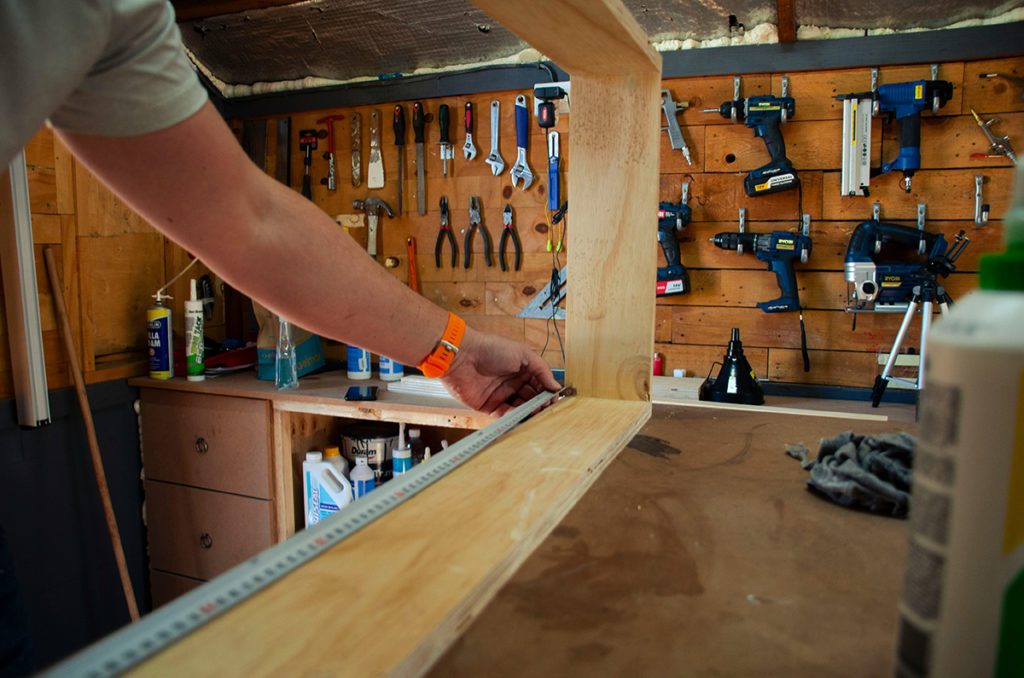
Demand for local builders expected to spike
Local authorities’ new powers go live on the 2nd of December and have been welcomed by development finance lenders offering loans to SME builders.
“This could prove a rich seam of new business in repairs and maintenance which is often the bread and butter of work for the smaller builder,” said Shiraz Khan, chief executive of development finance brokerage Hank Zarihs Associates.
The Government said the rental auctions were part of a wider commitment to support local businesses. These include freezing the small business multiplier to protect 90 per cent of properties from inflationary business rate increases and lowering business rates for retail, hospitality and leisure properties.
It has also increased the employers’ national insurance liability allowance from £5,000 to £10,500 for the next tax year to help with the rise in contributions from 13.8 per cent to 15 per cent.
The government will publish a new small business strategy next year, setting out further measures to support SMEs and drive growth across the country.
LinkedIn Question: How hopeful are you that this new policy of mandatory auction of leases will reverse the fortunes of UK high streets?